Fertility is shaped by far more than biology alone. In this guide, we explore the physical, emotional and lifestyle factors that influence reproductive health, and how a whole-body approach can support you at every stage of your journey.
Main points we will discuss:
- How chronic stress disrupts female hormones and fertility, and how regulating your nervous system can help
- The link between gut health, plant diversity and reproductive hormone balance
- Why movement, rest and sleep are foundational to reproductive health, not optional extras
- What unexplained infertility really means and how a holistic fertility approach can fill the gaps
- Endometriosis as a serious, whole-body condition. Not just a fertility issue
- How to support your body naturally before, during and after IVF
- The role of women’s health osteopathy at The Mason Clinic, delivered by a specialist with postgraduate training in osteopathy and women’s health
Fertility is more than a medical checklist
Fertility is one of the most personal and emotionally complex areas of health. Wherever you in the process, just beginning to think about conceiving, have been trying a while, or are navigating a specific diagnosis, the journey can feel overwhelming and isolating.
This blog is not about quick fixes or miracle solutions. It is an invitation to look at your body as a whole, to understand the many threads we weave together to influence reproductive health, and to feel more informed and supported as you are right now.
How stress affects fertility
One of the most significant of those threads, and certainly one that is underestimated, is stress. When the body is under prolonged stress, it prioritises survival over reproduction. Research published in Frontiers in Global Women’s Health (2022) confirms that chronic stress disrupts the hormonal pathways that regulate ovulation. Elevated cortisol, which is brilliant in short bursts but seriously disruptive when it never switches off, suppresses the hormones needed for a regular cycle.
The difficult irony is that the process of trying to conceive, the waiting, the hoping, the disappointment, is itself a significant source of stress. It can become a cycle that feels impossible to break.
It’s important to know though, that stress alone does not cause infertility. But genuinely supporting your nervous system is not just good self-care; it’s actively supportive of your reproductive health.
The role of nutrition, movement and rest in reproductive health
What you eat, how you move and how well you sleep all contribute to the hormonal environment your body needs. Emerging research has increasingly highlighted the gut microbiome as a key regulator of reproductive health. A 2025 review published in the Journal of Translational Medicine found that gut microbiome imbalances can affect hormone regulation, immune function and systemic inflammation – all of which have a direct bearing on fertility.
One of the easiest ways to improve the health of your gut microbiome is through higher dietary diversity. In practical terms, this means a diet rich in whole foods, healthy fats, quality protein and a wide variety of plant-based foods is not just good general advice; it may actively support reproductive health. Pay attention to specific nutrients like folate, vitamin D, omega-3 fatty acids, zinc and iron. If it’s available to you, consider working with a registered nutritional therapist to help you understand what your body specifically needs, rather than guessing.
Lisa Claire Dack, a registered nutritional therapist specialising in gut health, runs regular free sessions within the Mason Clinic, find out more here.
Movement matters too, though balance is key. Regular moderate exercise supports circulation, reduces stress and helps maintain a healthy weight, all of which contribute positively to fertility. Excessive high-intensity exercise, however, can itself become a physiological stressor, further disrupting hormonal balance. Gentle and consistent tends to serve reproductive health better than intense and irregular.
Rest is perhaps the most undervalued piece of the puzzle. Sleep is when the body repairs, regulates hormones and processes the day. Prioritising consistent, quality sleep is one of the simplest and most powerful ways you can support your reproductive health.
Unexplained infertility – looking at the whole picture
For those who feel they’ve done all the right things, had all the tests, followed all the advice and still have no clear answer, a diagnosis of unexplained infertility can feel particularly disappointing. It doesn’t mean nothing is wrong; it means that conventional testing has not identified a specific cause.
The body is an extraordinarily complex system, and there are many factors that standard investigations do not measure. Subtle hormone fluctuations, immune responses, structural tension in the pelvis, plus gut health, nervous system dysregulation and emotional wellbeing can all influence fertility without showing up clearly on routine tests.
A holistic perspective invites you to look at the whole picture – not as a replacement for medical care, but sitting thoughtfully alongside it, filling in some of the gaps that conventional medicine is not always designed to address. If you’ve received a diagnosis of unexplained infertility, please do continue to work with your medical team whilst also exploring what broader support might look like.
Endometriosis
It would be remiss in a piece about infertility not to talk about endometriosis, though it’s important to say clearly that endometriosis is not solely a fertility issue. It is a chronic, systemic inflammatory condition that affects 1 in 10 women and those assigned female at birth in the UK. That’s approximately 1.5 million people, and its impact reaches into every corner of life.
Symptoms can include debilitating pelvic pain, painful periods, pain during intercourse, painful bowel movements, bladder issues and profound fatigue. And in many cases, the condition also seriously affects mental health in sufferers.
Yes, endometriosis can affect fertility, and that is a significant and painful reality for many. But the condition deserves to be understood and treated as the serious, whole-body condition it is, long before fertility becomes a part of the conversation. If you recognise these symptoms, please do seek an assessment from your GP and ask specifically about endometriosis.
Support your body through IVF
For those moving into IVF or other assisted conception, the same whole-body principles apply – with even more intention. The process is physically and emotionally demanding, and preparing your body beforehand through nutrition, rest, stress reduction and supporting pelvic circulation helps create the best possible internal environment for treatment.
During an IVF cycle, gentleness is not optional; it is essential. And after a cycle, whatever the outcome, both body and heart need time to recover. Grief, if it comes, is real and deserves to be honoured. Giving yourself adequate space before beginning again is something that is often rushed but truly matters.
How can osteopathy support your fertility journey?
Throughout all the stages explored in this blog, osteopathy can offer meaningful support.
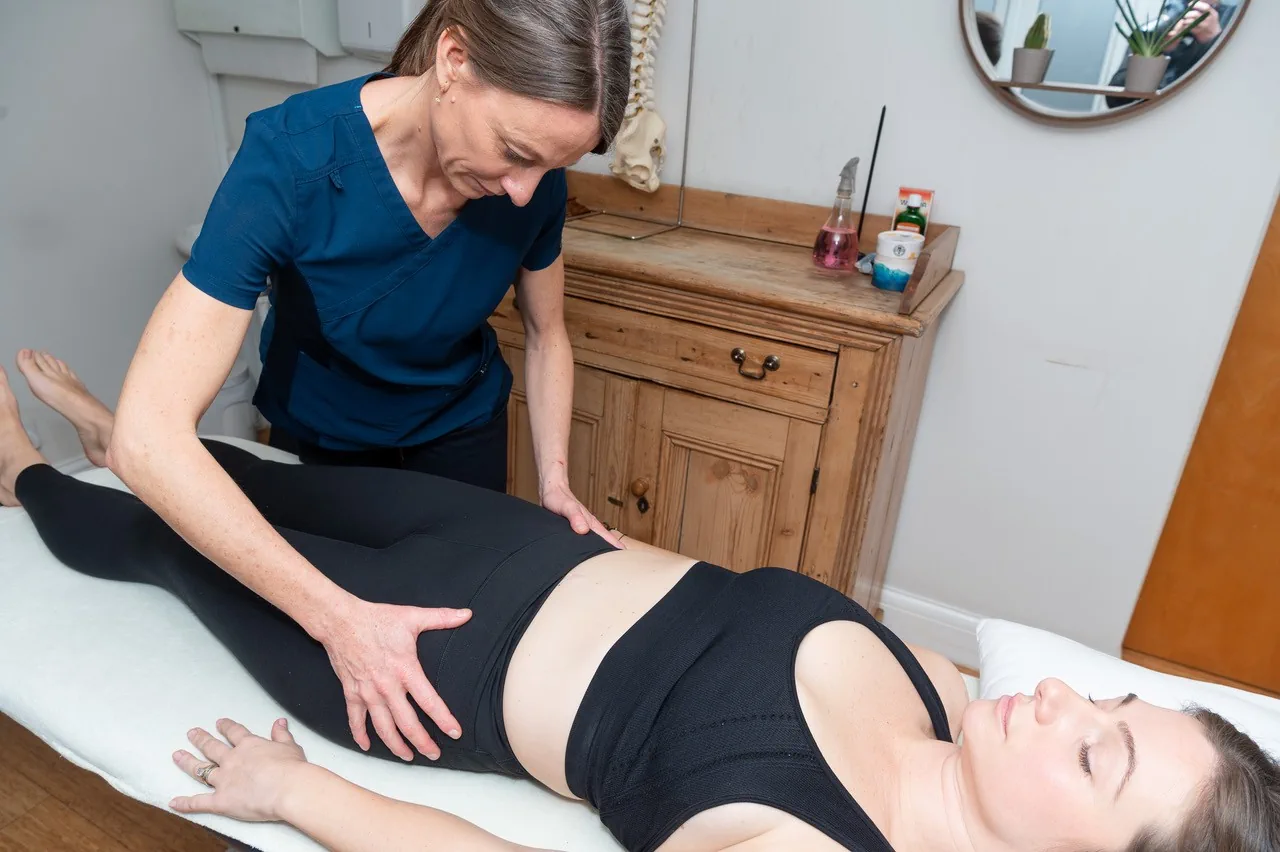
The pelvis, spine and surrounding structures play a direct role in reproductive health. Tension, restriction or misalignment in these areas can affect circulation to the reproductive organs and influence the overall environment in which conception occurs. A review of manual therapies in women’s reproductive health found clinical evidence that osteopathic and visceral manipulation may help improve pelvic mobility, support blood and lymphatic circulation, and reduce menstrual and pelvic pain. A pilot study published in a peer-reviewed gynaecology journal found osteopathy to be well received and effective for women with chronic pelvic pain and pelvic floor muscle tightness.
Not all osteopathic care for women is the same, and the level of specialist training behind it really does matter. That’s why we are proud to have osteopaths on our team who have specialist postgraduate training specifically in women’s health. In addition, our resident acupuncturist, Renate Blacker, specialises in acupuncture for fertility and IV support, and is a registered member of the Zita West network of practitioners.
This means that when you come to us with concerns around fertility, pregnancy, postnatal recovery, pelvic health, endometriosis or the hormonal shifts of perimenopause, you are being seen by someone with a genuinely specialist understanding of these experiences – not simply a general osteopath applying broad principles. Care here is informed, considered and deeply attuned to the complexity of women’s health.
Please be aware that osteopathy does not claim to treat or resolve fertility issues themselves. What it can offer is structural support, nervous system regulation and a considered, attentive approach to the whole body, which many find genuinely valuable, especially during a journey that can feel very clinical and process driven.
Wherever you are on this journey, you deserve care that sees the whole of you, not just the clinical picture. Be patient with your body and ask for support when you need it. And know that taking a thoughtful, whole-body approach to your health is never wasted, whatever the path ahead looks like.
To find out more about how The Mason Clinic can help you during your fertility journey, get in touch here.